James Lilliefors
The Dark Art of Hope
On a day like today, everyone watches, everyone thinks
in the same language: oh, no, not this again. There was a simple
genius to childhood, you used to say, meaning clarity,
the way we saw exactly what the grown-ups were doing,
the convoluted excuses they gave for breaking their own rules,
as if parenthood gave them some mysterious sense
of entitlement. In most of the stories they told, the hero was a man
who carried a gun. Or, a well-toned superhero dressed in tights.
The hero could fix the world, and dodge bullets,
but he never fixed dinner. Or a kitchen drain. He never paid
a heating bill. In Sunday stories, the hero was more like us:
a “little child,” who was supposed to lead the grown-ups,
if only they would follow. Or a man who instructed men and women
to “turn and become like children.” Those were good stories,
but grown-ups never made them into television shows.
I wonder why. David Hogg is on again. The networks call him
when this happens. And Fred. There are others. Ordinary people
whose names we shouldn’t know. The young reporters, recently children
themselves, ask questions that make the parents uneasy.
You ask if I remember the woman whose 6-year-old daughter
was killed in a Sandy Hook instant, telling a journalist
how she vomited when she saw the news about Uvalde
a decade later. Yes, of course. We were watching together
that day. It’s a wonder we didn’t vomit. We stare at the screen
a while longer and let the news absorb our need to explain.
We think in a silent language of hope, and hope keeps us
from having to live too long in the present. Hope is the dark art
of American life, it holds our attention and protects us,
until it decides the world is safe enough for us to go out
again. And then, hope lets us go.
__________________________________________________________________________________________________________________________________________________________________________
__________________________________________________________________________________________________________________________________________________________________________
__________________________________________________________________________________________________________________________________________________________________________
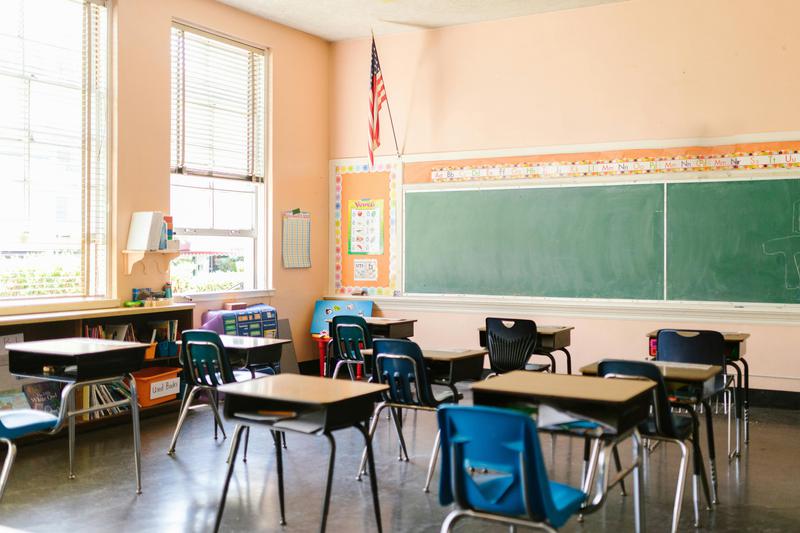
Image by RDNE Stock Project from Pexels
James Lilliefors is a poet and journalist whose writing has appeared in Ploughshares, the Comstock Review, Door Is A Jar, Third Wednesday, The Washington Post, the Miami Herald and elsewhere. His poetry chapbook SUDDEN SHADOWS was published in October 2025 and he was a 2025 and 2026 Best of the Net poetry nominee. @jameslilliefors.bsky.social
__________________________________________________________________________________________________________________________________________________________________________
__________________________________________________________________________________________________________________________________________________________________________
© 2025 Iron Oak Editions




Stay Connected to Our Literary Community. Subscribe to Our Substack Roots & Words